
Budget Prioritisation
That Actually Sticks
Most budgets fail not because of maths, but because of decisions made under pressure. This programme teaches you how to make those decisions deliberately — before the pressure arrives.
What the eight weeks cover
Each module addresses a specific decision point that people typically get wrong when money is tight or plans change. The sequence matters — earlier modules build the mental models that later ones rely on.
-
Mapping where money actually goes Not estimates — real tracking over a two-week period using a structured template, then categorising by necessity, obligation, and discretion.
-
Distinguishing fixed from flexible costs Many costs feel fixed but aren't. This module walks through each category and identifies which ones can be renegotiated, deferred, or restructured.
-
Setting a priority sequence before a crisis When income drops or an unexpected expense arrives, decisions made in the moment tend to be poor. This module builds a personal priority order in advance.
-
Allocating across competing goals Saving, debt reduction, and current needs all pull in different directions. The module introduces a practical allocation framework that adjusts by life stage.
-
Reviewing and adjusting monthly A budget that doesn't get reviewed drifts. This module establishes a lightweight monthly check-in process that takes under 30 minutes.
-
Handling irregular income and seasonal variation Freelancers, seasonal workers, and small-business owners face different pressures. This module builds a smoothing approach for variable income situations.
-
Communicating financial decisions with others Shared finances require shared understanding. The module covers how to align priorities with a partner or household without turning it into a negotiation.
-
Building a 12-month forward plan The final module brings everything together into a forward-looking document — not a rigid spreadsheet, but a structured set of decisions and thresholds.
Where participants typically start vs. where they finish

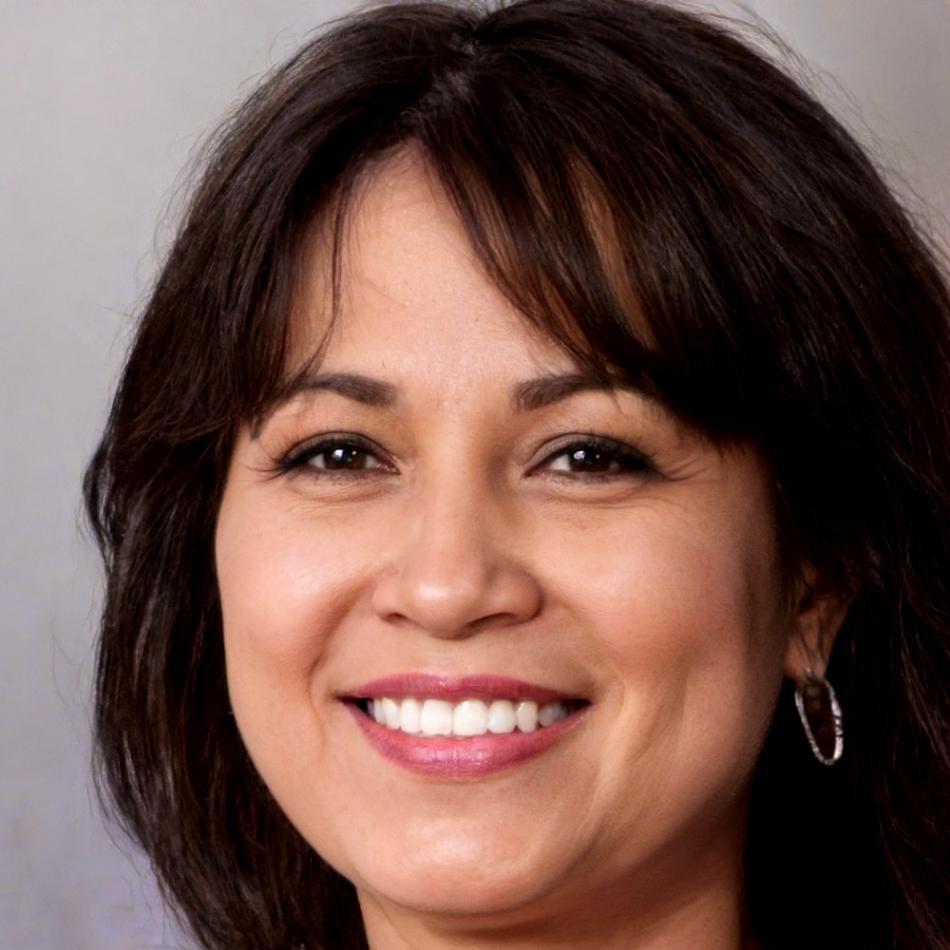
Orla has spent fourteen years working directly with households and small businesses on financial restructuring. She built the core framework behind this programme after noticing that most budgeting tools focus on recording rather than deciding. Her sessions are practical, unhurried, and grounded in real scenarios rather than textbook examples.
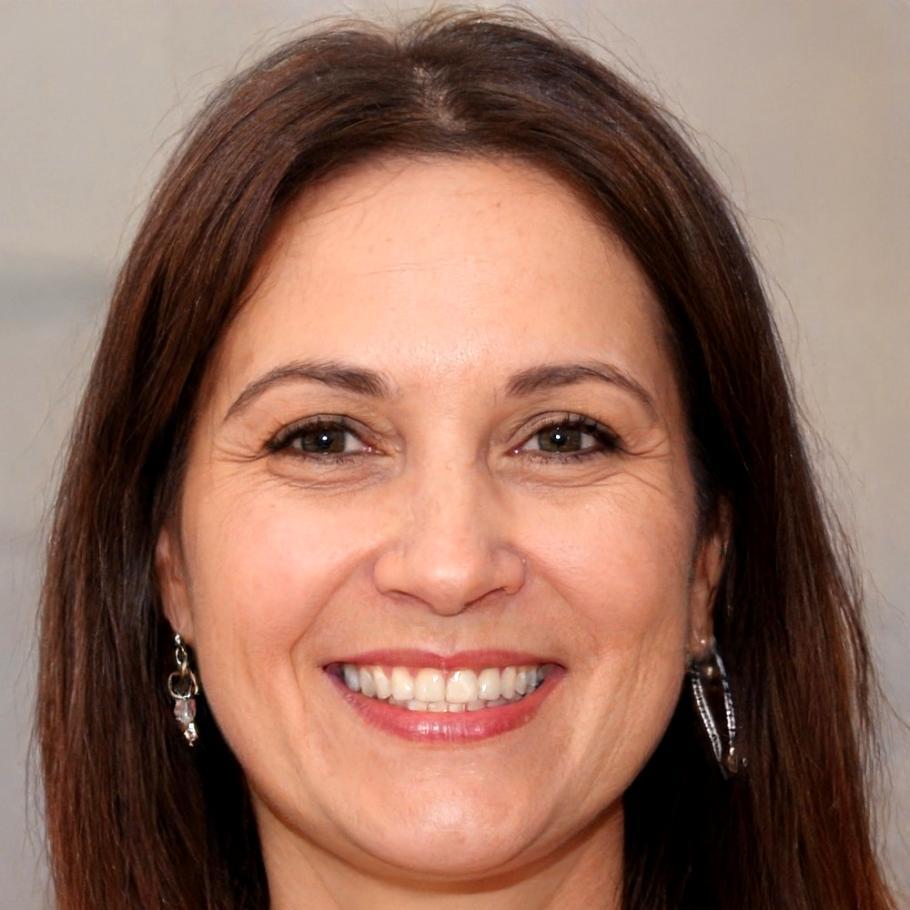
Siobhán leads the modules on decision-making under pressure and household communication. Her background is in applied behavioural economics, and she brings a specific focus on why people consistently make the same financial mistakes even when they know better — and what actually changes that pattern.